


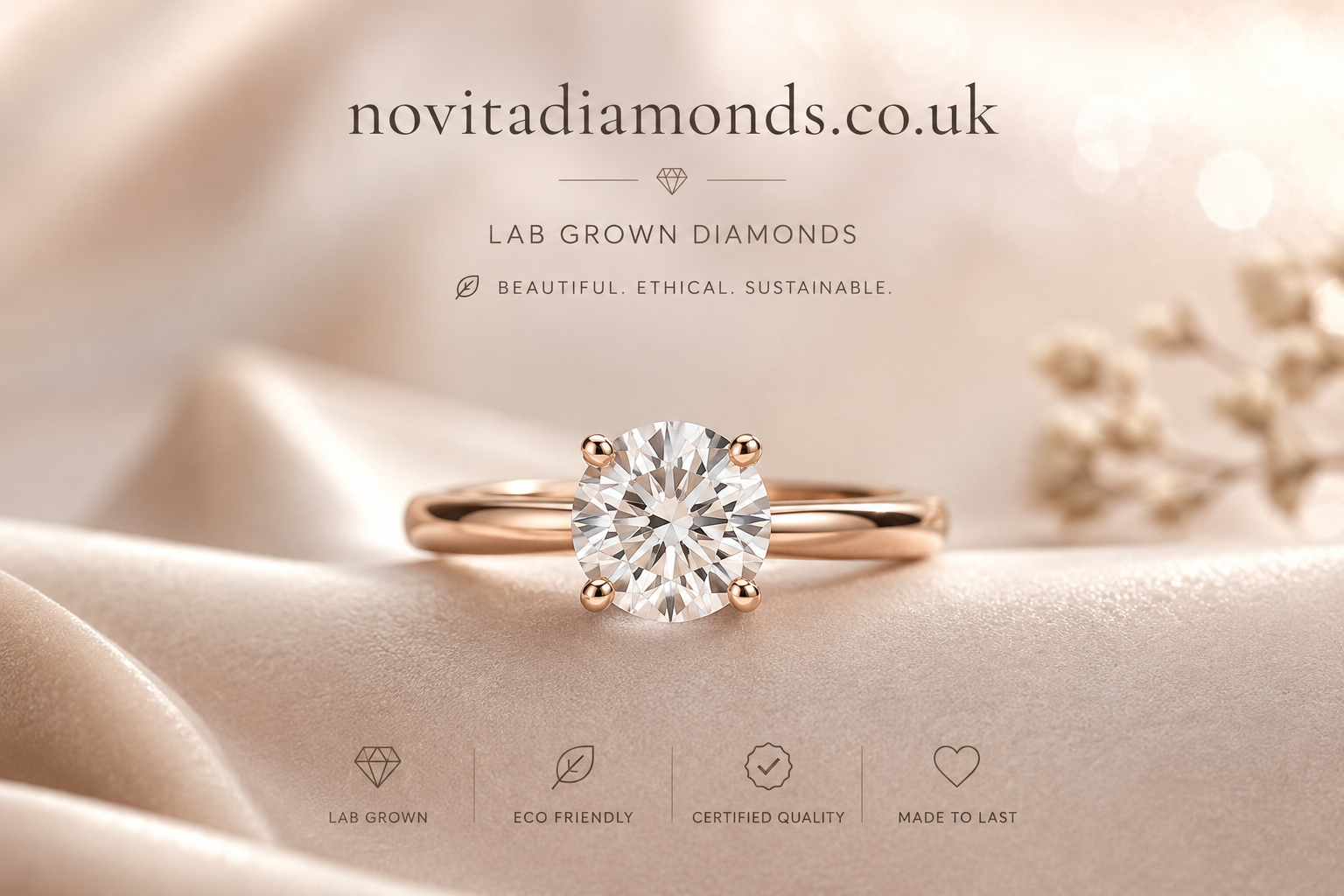
Why More People Are Choosing Modern Diamonds
Buying a diamond used to follow one path. You visited a jewelry store, looked at a few options and accepted the price that came with the stone. That process has changed. You now have access to better information, more transparency and more control over what you buy. This shift is one reason why interest in lab grown diamond rings continues to rise. People want quality without paying for unnecessary rarity. They want clear sourcing. They want designs that fit daily life instead of sitting in a box for years. Most of all they want confidence that the money they spend matches the product they receive. That is where modern diamond production fits into today’s market.
What Makes These Diamonds Different
A lab grown diamond ring is made using advanced technology that replicates the natural conditions under which diamonds form underground. The final stone has the same physical appearance and structure as a mined diamond. You still get brilliance, hardness and clarity. The main difference is origin. Instead of being extracted from the earth the stone is created in a controlled environment. This process allows jewelers to produce diamonds with fewer supply chain issues and more predictable pricing. For many buyers this creates a more practical option.
What You Actually Receive
You receive a real diamond. It is not glass. It is not cubic zirconia. It is not a fake replacement. The stone can be graded for:
- Cut
- Color
- Clarity
- Carat weight
These are the same standards used in the traditional diamond market. Example: A one carat stone with high clarity and strong cut quality can look nearly identical to a mined alternative when viewed side by side. Most people cannot visually tell the difference without specialized equipment.
Why Price Matters to Buyers
Cost is one of the biggest reasons people explore this option. Traditional diamonds carry expenses tied to mining transportation and supply limitations. Modern production methods reduce many of those costs. That allows buyers to focus more on quality and design instead of stretching their budget for a smaller stone. This changes purchasing decisions. Instead of choosing between size and quality you may be able to afford both. For example: Someone with a fixed engagement ring budget might choose a smaller mined diamond with average clarity. The same budget could provide a larger cleaner stone in a modern alternative. That difference matters when you plan to wear the ring every day.
Design Choices Have Expanded
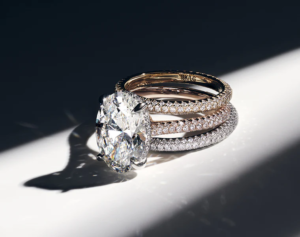
Jewelry trends have become more personal. Buyers no longer want every ring to look identical. They want details that reflect personal taste and lifestyle. This demand has pushed designers to offer wider collections. You can now find:
- Minimal solitaire settings
- Vintage inspired designs
- Hidden halo settings
- Oval and pear shaped stones
- Thin modern bands
- Custom settings with mixed metals
The broader price flexibility also makes custom work more realistic for many buyers. Instead of spending nearly all of your budget on the center stone you can invest in craftsmanship and setting quality.
Ethical Questions Are Changing Buying Habits
Lab grown diamonds now ask where products come from before making a purchase. Jewelry is part of that shift. Mining practices have faced criticism for environmental damage, labor concerns and supply chain transparency issues. Some buyers want alternatives that reduce those concerns. Controlled production environments offer more traceability. That gives consumers clearer information about how the product was made. This does not mean every producer follows the same standards. You still need to research the seller and ask questions about certification and sourcing. A good jeweler should clearly explain:
- Where the stone was produced
- Which grading lab certified it
- What warranty is included
- What return policy applies
Clear answers matter more than polished marketing language.
How to Judge Quality Before You Buy
Many buyers focus only on carat size. That is a mistake. Cut quality affects appearance more than size alone. A poorly cut stone can look dull even if it is large. A well-cut diamond reflects light more effectively and appears brighter. Start by reviewing the cut grade first. Then examine clarity and color based on your budget and preferences.
A Practical Approach
If you want strong visual quality without overspending consider these ranges:
- Near colorless grades instead of flawless white
- Very slight inclusions instead of flawless clarity
- Excellent or ideal cut whenever possible
These choices often provide the best balance between price and appearance. Example: A buyer may not notice the difference between flawless clarity and slight inclusions without magnification. The price difference however can be significant.
Certification Should Never Be Ignored
Certification protects you from misleading claims. Reliable grading laboratories evaluate the stone independently and provide documented details about quality. Before purchasing, ask for certification from respected labs such as IGI or GIA. Review the report carefully. It should include:
- Measurements
- Clarity grade
- Color grade
- Cut grade
- Identification number
If a seller avoids certification questions, take that seriously.
Online Buying Has Changed the Jewelry Industry
Years ago many people hesitated to buy expensive jewelry online. That hesitation has decreased because buyers now expect detailed photos, videos, certification reports and flexible return policies. Online retailers often provide larger inventories than physical stores. That gives you more freedom to compare shapes, prices and settings. You should still slow down before purchasing. Read return terms carefully. Check whether the company offers:
- Inspection periods
- Resizing services
- Secure shipping
- Warranty coverage
A lower price means little if customer support disappears after payment.
Long Term Wear Matters More Than Trends
Jewelry trends change quickly. Daily comfort does not. A ring that looks impressive online may feel uncomfortable after weeks of wear. Think about how the ring fits your routine. Consider:
- Band thickness
- Stone height
- Metal durability
- Maintenance needs
Someone who works with their hands daily may prefer a lower profile setting for protection and comfort. A practical design often ages better than a trend driven style.
How Buyers Are Redefining Luxury
Luxury no longer means paying the highest possible price. Many buyers now define luxury as making informed choices. That includes understanding quality, comparing options and avoiding unnecessary markups. The jewelry market is adapting because consumers are asking sharper questions. They want transparency. They want value. They want products that align with how they actually live. That shift explains why interest in lab grown diamond rings continues to expand across different age groups and budgets.
Common Questions Buyers Ask
Do these diamonds last as long as mined diamonds?
Yes. They have the same hardness and durability which makes them suitable for long term daily wear.
Can jewelers resize and repair these rings?
In most cases yes. Professional jewelers can usually resize, repair and clean them just like traditional diamond jewelry.
Are they suitable for engagement rings?
Yes. Many buyers choose them for engagement rings because they offer flexibility in size design and budget without sacrificing appearance.