


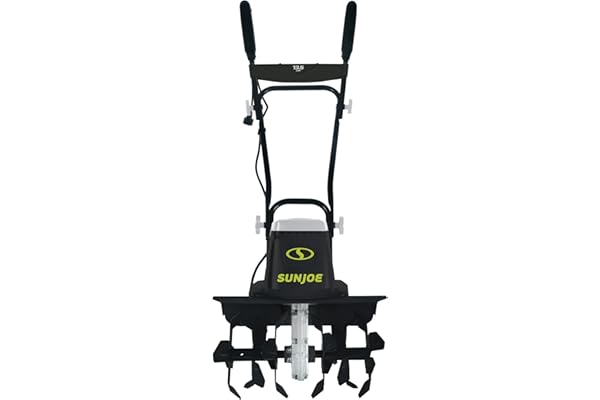
Gardening becomes much easier when you have the right tools, and a garden tiller is one of the most valuable machines for preparing healthy soil. However, even the best tiller can produce poor results if it is used incorrectly. Understanding the 10 Common Garden Tiller Mistakes and How to Avoid Them can help you create a healthier garden, protect your equipment, and save time and effort.
In this guide, we’ll explore the most common tiller mistakes gardeners make and provide practical tips to ensure your soil stays productive throughout the growing season.
Why Proper Garden Tiller Use Matters
A garden tiller breaks up compacted soil, mixes in compost, and prepares seedbeds for planting. When used correctly, it improves soil structure and promotes strong root development. However, improper tilling can damage soil health, increase weed growth, and even shorten the lifespan of your tiller.
Learning the 10 Common Garden Tiller Mistakes and How to Avoid Them helps you maximize your investment while giving your plants the best possible growing conditions.
1. Tilling Wet Soil
The Mistake
Many gardeners begin tilling immediately after rainfall, believing moist soil is easier to work with.
How to Avoid It
Wait until the soil is slightly damp rather than soaking wet. Pick up a handful of soil and squeeze it. If it forms a sticky ball that doesn’t crumble, it’s still too wet.
2. Tilling Too Deep
The Mistake
Digging excessively deep can disturb beneficial microorganisms and bring dormant weed seeds to the surface.
How to Avoid It
For most vegetable gardens, till only 6 to 8 inches deep. This is enough to loosen the soil without disrupting its natural structure.
3. Over-Tilling the Soil
The Mistake
Repeated tilling breaks down soil aggregates, making the soil more prone to erosion and compaction.
How to Avoid It
Till only when necessary. Once before planting is often sufficient for established gardens.
4. Ignoring Rocks and Debris
The Mistake
Large rocks, sticks, and roots can damage tiller blades and strain the engine.
How to Avoid It
Walk through the garden before tilling and remove any obstacles that could interfere with the machine.
5. Skipping Soil Testing
The Mistake
Adding fertilizers or soil amendments without understanding your soil’s condition can lead to nutrient imbalances.
How to Avoid It
Perform a soil test before each growing season to determine nutrient levels and pH.
6. Using the Wrong Tiller
The Mistake
A small cultivator may struggle with hard ground, while a heavy-duty rear-tine tiller may be unnecessary for small flower beds.
How to Avoid It
Choose a tiller based on your garden size, soil type, and gardening needs.
7. Tilling at the Wrong Time
The Mistake
Preparing the soil too early or too late can reduce planting success.
How to Avoid It
Till in early spring after the soil has dried enough or in the fall when incorporating compost and organic matter.
8. Forgetting Regular Maintenance
The Mistake
Neglecting maintenance reduces efficiency and shortens the machine’s lifespan.
How to Avoid It
Maintain your tiller by:
- Cleaning the tines after every use
- Checking oil levels regularly
- Inspecting belts and cables
- Sharpening or replacing worn tines
- Following the manufacturer’s maintenance schedule
9. Tilling Too Close to Plants
The Mistake
Operating a tiller near established plants can damage roots and reduce plant health.
How to Avoid It
Leave several inches between the tiller and existing plants. Use hand tools for areas near delicate root systems.
10. Ignoring Safety Precautions
The Mistake
Operating a tiller without proper safety measures can lead to injuries.
How to Avoid It
Always:
- Wear safety glasses and sturdy footwear
- Avoid loose clothing
- Keep children and pets away
- Turn off the engine before clearing debris
- Read the owner’s manual before first use
Extra Tips for Better Garden Tilling
Following a few additional best practices can improve your gardening results:
Add Organic Matter
Mix compost or aged manure into the soil while tilling to improve fertility and moisture retention.
Avoid Compacting Freshly Tilled Soil
Stay off freshly tilled beds whenever possible to prevent the soil from becoming compacted again.
Work in Straight Rows
Consistent passes create evenly prepared seedbeds and reduce missed areas.
Clean the Machine After Every Use
Removing dirt and plant material prevents rust and keeps moving parts functioning smoothly.
Benefits of Avoiding Common Tiller Mistakes
Once you understand the 10 Common Garden Tiller Mistakes and How to Avoid Them, you’ll enjoy several long-term benefits:
- Healthier soil structure
- Better drainage and aeration
- Stronger plant roots
- Higher crop yields
- Fewer weeds
- Longer tiller lifespan
- Reduced maintenance costs
- More efficient gardening
Conclusion
Understanding the 10 Common Garden Tiller Mistakes and How to Avoid Them is essential for anyone who wants a productive and healthy garden. Small mistakes like tilling wet soil, overworking the ground, or neglecting maintenance can negatively affect both your soil and your equipment. By following the practical tips in this guide, you’ll improve soil quality, protect your tiller, and create the ideal environment for thriving plants. With proper techniques and regular care, your garden can remain fertile, productive, and ready for successful growing seasons year after year.