


For decades, the pursuit of flawless dental aesthetics was perceived as an exclusive luxury reserved for the entertainment elite. A bright, perfectly aligned set of teeth conveyed health, youth, and vitality, setting a universal standard for facial beauty. Today, the demand for a hollywood smile has permeated mainstream dental practice, transforming from a secretive red-carpet procedure into a highly accessible medical reality. However, achieving this level of visual perfection involves far more than simply adhering white porcelain to natural teeth. It requires a meticulous orchestration of prosthodontics, periodontics, and advanced facial geometry to ensure the final result is both visually stunning and biologically sound.
The Foundation of Periodontal Health
Before any aesthetic materials are selected, a responsible practitioner must establish a pristine biological foundation. The soft tissues framing the teeth play a critical role in the overall visual impact of any cosmetic intervention. Active periodontal disease, gingival inflammation, or severe bone loss immediately disqualifies a patient from receiving cosmetic restorations until the underlying pathology is resolved. Inflamed, bleeding gums not only compromise the longevity of dental work but also create an unsightly red border that ruins the illusion of a natural tooth. Periodontal specialists frequently perform soft-tissue contouring using precision dental lasers to sculpt asymmetrical gumlines or remove excess tissue ensuring a symmetrical, healthy frame before the actual restorative work begins.
Material Science: Mimicking Natural Enamel
The era of opaque, unnaturally white dental caps has been entirely replaced by sophisticated material science. Modern cosmetic dentistry relies heavily on advanced ceramics, specifically lithium disilicate (often recognized by the brand name E-max) and monolithic zirconia. These high-grade materials are engineered to mimic the precise optical properties of natural human enamel. Natural teeth are not uniformly white; they possess intrinsic gradients of color, varying levels of translucency near the biting edges, and specific surface textures that scatter light. Master ceramists layer these translucent porcelains meticulously, ensuring that the final restorations reflect light identically to natural biological structures. This commitment to optical realism prevents the final result from appearing artificial or bulky.
Digital Architecture and Prototyping
The integration of digital technology has fundamentally altered how restorative treatments are planned and executed. Leading medical facilities, such as Dentprime, utilize high-resolution intraoral scanners to capture three-dimensional topographical maps of the patient’s exact dental anatomy. This digital workflow eliminates the need for uncomfortable, traditional putty impressions. Using computer-aided design (CAD) software, prosthodontists manipulate these 3D models to design the future restorations, taking into account the patient’s facial midline, the curvature of the lower lip, and the interpupillary axis. Patients often receive a physical mock-up created from temporary resin. This critical step acts as a biological test drive, allowing the individual to evaluate the phonetics, function, and appearance of the proposed design before any irreversible changes occur.
Enamel Preservation and Micro-Invasive Techniques
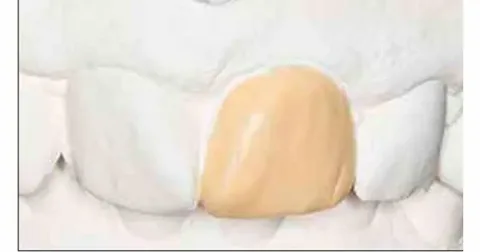
A core tenet of contemporary cosmetic dentistry is the preservation of natural tooth structure. Historically, receiving a full arch of crowns required aggressive reduction of the underlying dentin, weakening the tooth and increasing the risk of subsequent root canal therapy. The modern approach heavily favors ultra-thin porcelain veneers over full-coverage crowns whenever structurally possible. Because today’s ceramic materials boast immense tensile strength even at microscopic thicknesses sometimes measuring as thin as 0.3 millimeters dentists can often prepare the teeth with minimal to no enamel removal. Preserving the enamel layer is vital, as porcelain forms the strongest possible chemical bond with enamel rather than the softer, underlying dentin. This micro-invasive philosophy ensures the long-term structural integrity and vitality of the living tooth underneath the aesthetic shell.
Harmonizing the Bite and Functional Longevity
Aesthetic enhancements must never compromise the mechanics of the human jaw. The temporomandibular joint (TMJ) and the muscles of mastication operate within a highly specific range of motion. If new restorations alter the patient’s natural bite, a concept known in dentistry as occlusion it can trigger a cascade of severe complications. Incorrectly angled veneers or crowns that sit too high will cause premature contact during chewing. Over time, this mechanical interference leads to cracked porcelain, chronic jaw pain, tension headaches, and severe muscular fatigue. Therefore, the architectural design of these restorations mandates precise occlusal adjustments. Every slope, ridge, and biting edge is precisely calculated to distribute the physical forces of chewing evenly across the entire dental arch. The ultimate mark of a successful cosmetic transformation is its silent integration into the patient’s daily life, offering exceptional durability alongside striking visual symmetry.