


Australian businesses are operating in a digital environment where customers expect fast answers, clear value and a seamless path to action. Before someone submits an enquiry, books a consultation or purchases a product, they often search online, compare providers, read reviews and assess whether a business feels credible. This makes digital visibility a critical part of sustainable business growth.
Paid search is one of the fastest ways to connect with people who are actively looking for a product or service. When a potential customer searches on Google, they are often showing clear intent. They may be ready to compare providers, request a quote or make a decision. Appearing in front of that customer at the right moment can create a direct pathway to qualified enquiries.
For businesses competing in Victoria, google ads management melbourne can help campaigns become more structured, measurable and commercially focused. Melbourne is a highly competitive market across professional services, trades, healthcare, education, technology, retail and property. A campaign that is too broad or poorly managed can quickly waste budget. A strategic approach ensures advertising spend is directed towards the searches, audiences and locations most likely to generate meaningful outcomes.
Effective Google Ads management starts with clear business objectives. Campaigns should not be built around clicks alone. They should be aligned with the services, products or customer actions that create value for the business. This means identifying priority offerings, high-value locations, ideal customer segments and conversion goals. When the campaign is connected to commercial priorities, performance becomes easier to measure and improve.
Keyword strategy is essential. Some search terms indicate strong buying intent, while others may attract users who are still researching. Businesses need to target the right mix of keywords and continually review search term data to reduce wasted spend. Negative keywords, match types, bidding strategies and ad scheduling can all help improve efficiency. The aim is not simply to generate traffic, but to attract people who are more likely to become customers.
Landing pages have a major influence on campaign results. When someone clicks an advertisement, the destination page should match their search intent. If the page is slow, confusing or too generic, the visitor may leave quickly. A strong landing page should explain the offer clearly, highlight benefits, address common objections and make the next step simple. Testimonials, reviews, case studies and concise enquiry forms can help build confidence and support conversion.
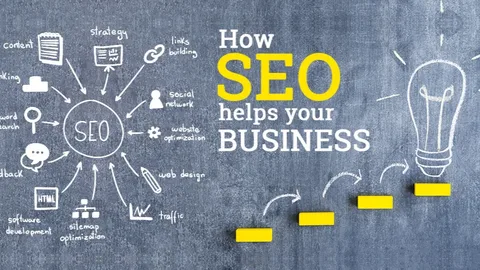
Search engine optimisation plays a complementary role by building long-term visibility. While paid search can generate immediate traffic, SEO can create compounding value over time. A well-optimised website can attract qualified visitors without paying for every click. This makes organic search an important part of a balanced digital strategy, especially for businesses that want to reduce dependency on advertising spend in the long term.
For South Australian businesses, working with an seo consultant adelaide can help create a tailored strategy that reflects local competition and customer behaviour. Adelaide has a diverse business landscape across health, education, professional services, construction, retail, hospitality and technology. Each sector has different search patterns and competitive pressures, so a generic SEO plan is unlikely to deliver the strongest result.
A strong SEO strategy begins with technical health. Search engines need to crawl, index and understand a website effectively. Slow loading pages, broken links, poor mobile usability, duplicated content and unclear site architecture can all limit performance. Technical optimisation removes these barriers and gives both users and search engines a better experience.
Content quality is equally important. Customers want useful information before they make contact. Service pages should explain what is offered, who it helps and why the business is a credible choice. Supporting articles, guides, frequently asked questions and case studies can answer earlier-stage questions and build authority. The best content helps real people make better decisions while also supporting search visibility.
Paid search and SEO work best when insights are shared. Google Ads can quickly show which keywords and messages generate enquiries. These insights can inform SEO content priorities and service page improvements. Organic search data can reveal topics with strong demand that may deserve paid campaign support. When both channels work together, businesses gain a clearer view of customer intent.
Measurement should focus on business value. Impressions, clicks and rankings are useful, but they do not tell the full story. Businesses should also track form submissions, phone calls, conversion rates, cost per lead, lead quality and revenue contribution. This creates accountability and helps decision-makers understand where digital investment is creating genuine impact.
For Australian businesses, the strongest outcomes come from balancing immediate visibility with long-term growth. Paid search can capture demand now, while SEO builds sustainable authority over time. When strategy, content, data and landing page experience are aligned, digital marketing becomes more than a source of traffic. It becomes a scalable growth system that supports stronger enquiries, better customer engagement and long-term commercial resilience.