


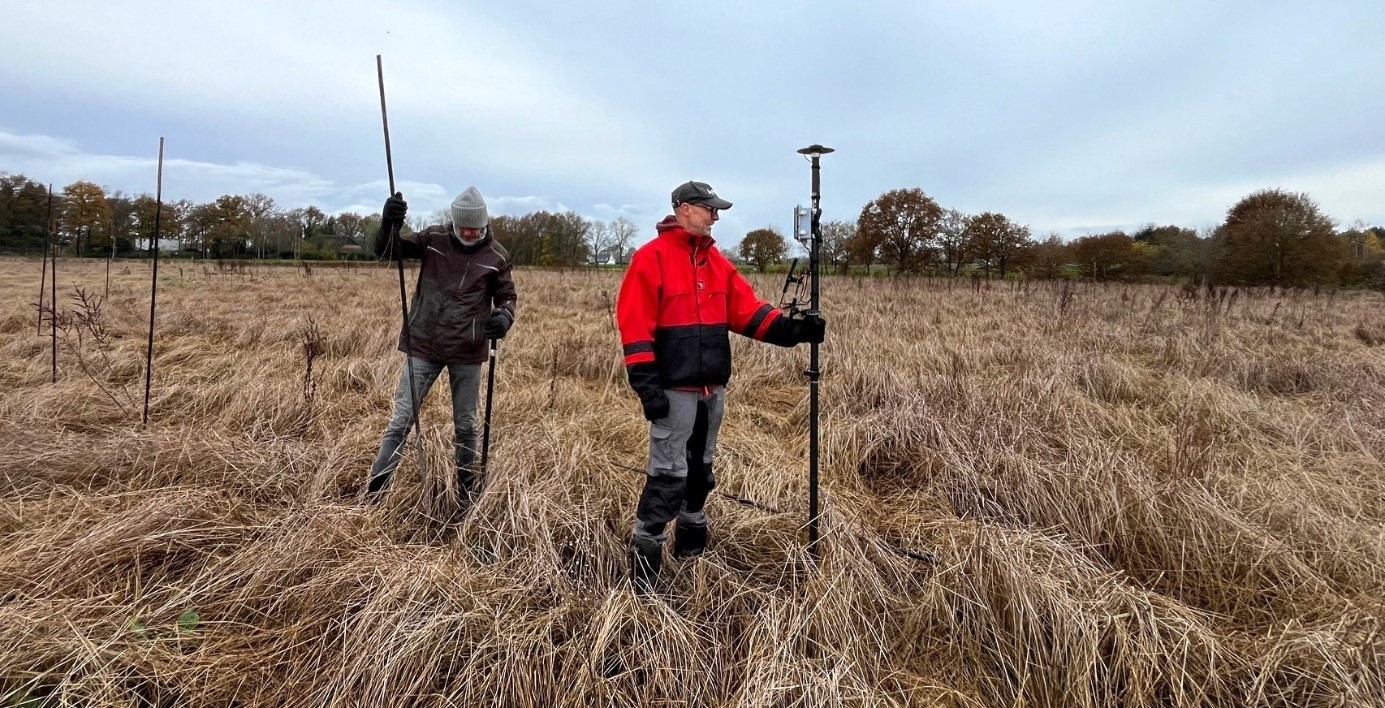
Introduction to A Complete Guide to Precision Farming GNSS for Beginners
Modern agriculture is rapidly evolving, and technologies like GNSS (Global Navigation Satellite Systems) are transforming how farms operate. A Complete Guide to precision farming gnss for Beginners helps new farmers and agritech enthusiasts understand how satellite-based positioning improves efficiency, accuracy, and productivity in farming.
By using GNSS technology, farmers can manage fields with centimeter-level precision, reduce waste, and increase crop yields while minimizing environmental impact.
What is Precision Farming GNSS?
Precision Farming GNSS refers to the use of satellite navigation systems (such as GPS, Galileo, GLONASS, and BeiDou) in agricultural operations. It enables farmers to collect accurate geospatial data and make informed decisions.
In simple terms, GNSS helps farmers “see” their fields digitally and manage every part of the land with precision.
When learning through A Complete Guide to Precision Farming GNSS for Beginners, it becomes clear that this technology is the backbone of modern smart agriculture systems.
How GNSS Works in Precision Farming
GNSS works by receiving signals from multiple satellites orbiting the Earth. A GNSS receiver installed on farm machinery calculates its exact location in real time.
Key applications include:
- Field mapping
- Automated tractor guidance
- Soil sampling and analysis
- Crop monitoring
- Variable rate application of seeds and fertilizers
These applications ensure that every inch of farmland is used efficiently.
Understanding these processes is essential in A Complete Guide to Precision Farming GNSS for Beginners, especially for farmers adopting smart farming techniques for the first time.
Benefits of Precision Farming GNSS
Using GNSS technology in agriculture offers several advantages:
1. Improved Accuracy
Farmers can achieve centimeter-level accuracy, reducing overlap and missed areas during planting or spraying.
2. Cost Efficiency
By optimizing inputs like seeds, fertilizers, and pesticides, farmers significantly cut operational costs.
3. Higher Crop Yields
Precise farming practices ensure crops receive the right treatment at the right place and time.
4. Time Savings
Automated guidance systems reduce manual effort and improve operational speed.
These benefits highlight why A Complete Guide to Precision Farming GNSS for Beginners is essential for anyone entering modern agriculture.
Key Technologies Used in GNSS-Based Farming
Precision agriculture relies on several supporting technologies:
- RTK (Real-Time Kinematic) systems for high-precision positioning
- GIS (Geographic Information Systems) for mapping and analysis
- Drones and sensors for field monitoring
- Auto-steering systems for tractors and machinery
Together, these technologies create a fully integrated smart farming ecosystem.
Real-World Applications of GNSS in Agriculture
GNSS is used in multiple farming activities, including:
- Precision planting of seeds in uniform rows
- Targeted pesticide spraying to reduce chemical use
- Soil variability mapping for better crop planning
- Yield monitoring during harvest
Each of these applications demonstrates how essential GNSS has become in modern agriculture systems.
This is why A Complete Guide to Precision Farming GNSS for Beginners is a valuable resource for understanding real-world use cases.
Challenges in Using GNSS in Farming
Despite its advantages, GNSS technology has some challenges:
- High initial setup costs
- Need for technical knowledge
- Signal interference in dense environments
- Dependence on weather and satellite conditions
However, ongoing advancements are making these systems more affordable and user-friendly.
The Future of GNSS in Precision Farming
The future of agriculture is deeply connected with GNSS technology. Emerging trends include:
- Fully autonomous farming machines
- AI-driven crop management systems
- Real-time field analytics using IoT sensors
- Integration with big data platforms
As technology advances, A Complete Guide to Precision Farming GNSS for Beginners will continue to serve as a foundation for understanding next-generation farming systems.
Conclusion
Precision farming powered by GNSS is revolutionizing agriculture by improving accuracy, reducing costs, and increasing productivity. For beginners, understanding the fundamentals is crucial to adopting these innovations effectively.
In summary, A Complete Guide to Precision Farming GNSS for Beginners provides a clear pathway into the world of smart farming, helping farmers transition from traditional methods to data-driven agricultural practices.