



Unseen Heroes: An Introduction to Septic Systems
Septic systems are unheralded yet essential components within the homestead, submerged beneath the earth’s surface, quietly serving their indispensable purpose. Consisting primarily of a septic tank and a drain field, they facilitate an intricate process of wastewater treatment right within your property.
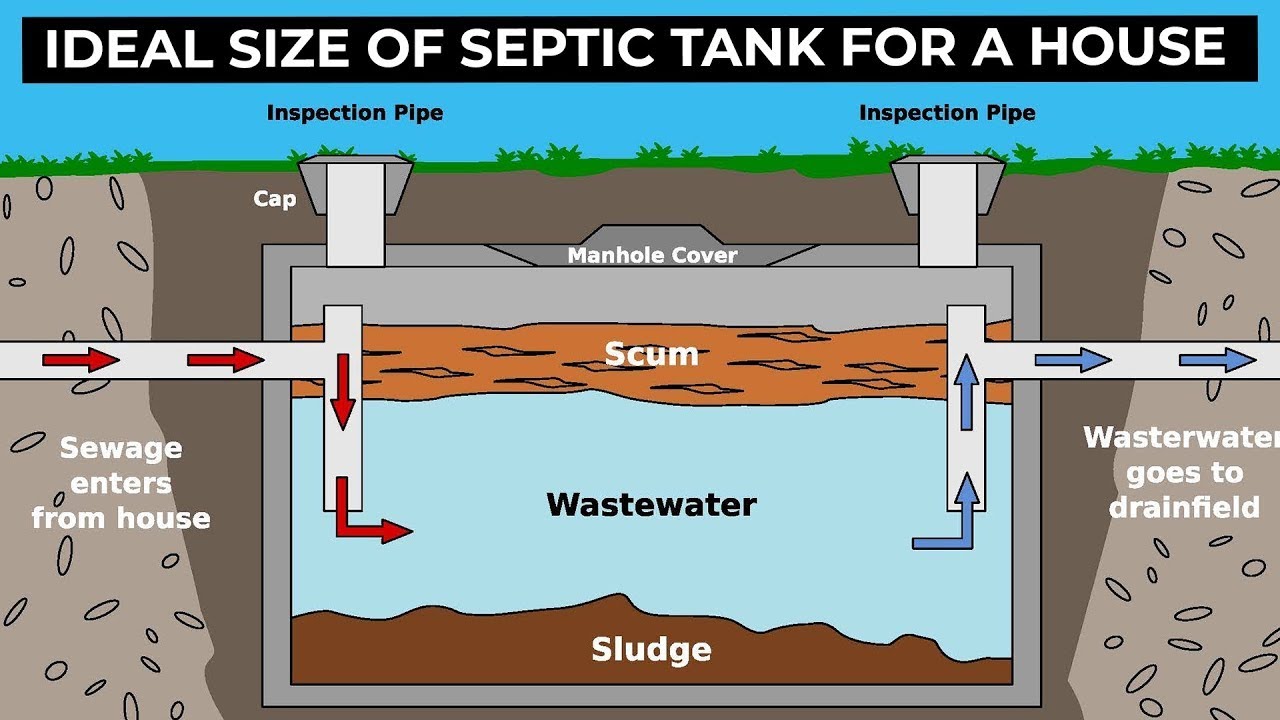
Their operation is straightforward yet fascinating: wastewater from your home flows into the septic tank where solids settle at the bottom while lighter substances float to form a scum layer; meanwhile, naturally occurring bacteria break down organic material. This process turns the raw sewage into liquid effluent that can then filter into an underground drainfield or soil absorption field.
The potency of a well-functioning septic system is underestimated; it not only caters for sanitation but also plays an integral role in sustaining environmental health by preventing contamination of nearby water sources. Despite their essentiality, septic systems tend to be out of sight and hence, out of mind.
This obscurity often results in negligence until severe problems arise that demand immediate attention and hefty repair bills. More often than not, regular inspection could have circumvented these issues before they cascaded into major complications.
The Road Less Traveled: Regular Inspections
Most homeowners appreciate insurance as it provides financial protection against unforeseen circumstances. Similarly, regular septic tank inspections serve as insurance against expensive repairs or replacement in the future.
Given that most damages stemming from neglected maintenance are irreversible and extremely costly to rectify, routine inspections can save homeowners substantial amounts financially. A common misconception is that if there’s no trouble brewing on the surface – such as unpleasant odors or slow drains – then all must be well underneath.
Unfortunately, this false sense of security lures many homeowners into complacency until catastrophe strikes when least expected. A properly functioning septic system shows no signs of trouble.
Therefore, the only way to ascertain its condition is through regular and thorough inspections. An inspection entails a comprehensive check of your system’s health by a proven professional.
It involves assessing the scum and sludge layers in your tank, checking for leaks, inspecting mechanical components, and ensuring that all parts are functioning optimally. Inspections aren’t reactive measures taken when something goes awry; instead, they’re proactive steps towards maintaining an efficient septic system.
Understanding Septic Systems: A Close Look at Our Underground Allies
Before we delve into the intricacies of septic systems, it’s crucial to comprehend their fundamental purpose. Acting as personal wastewater treatment facilities, septic systems are prevalent in areas lacking centralized sewer systems.
Comprising a septic tank and a soil absorption system (commonly referred to as a drain field or leach field), these systems work symbiotically to manage waste effectively. The magic begins with the plumbing from your house directing wastewater into the septic tank.
This subterranean, watertight container is usually made of concrete, fiberglass, or polyethylene and serves as the first stop for all household wastewater. The tank’s primary function is to allow wastewater to separate into three layers: solids (sludge) sink to the bottom, fats and oils (scum) float atop, while clearer water resides in between.
Furthermore, within this mini-ecosystem thrives an army of bacteria working relentlessly – breaking down solid waste materials and preventing them from exiting the tank along with outgoing water. Thus, it is imperative that these microorganisms stay healthy for optimum system functionality.
The Hidden Workhorse: The Septic Tank
Intricate processes occur within this unassuming underground chamber – each integral to efficient waste management. First is separation; as aforementioned, incoming waste segregates into layers based on density differences.
Over time—usually 24 hours—the middle layer of ‘settled’ water gradually flows out towards the drain field via gravity-driven forces or pumps when necessary. The remaining sludge and scum layers are what most people dread about septic tanks – but fear not!
Within this seemingly unsightly mass lies an intricate network of anaerobic bacteria tirelessly decomposing organic material. Regular pumping ensures these residues don’t overflow and disrupt the system’s seamless workings.
Moreover, septic tanks house a T-shaped outlet preventing scum from leaving the tank and blocking the drain field pipes. This simple, yet ingenious design, safeguards your system from potential backflows and clogs that could escalate into costly inconveniences.
From Tank to Field: The Unsung Hero – The Drain Field
The drain field—oftentimes overlooked in its critical role—serves as the final wastewater destination before it reenters our environment. Herein lies an intricate maze of permeable pipes laid out beneath gravel-filled trenches or beds.
The effluent from the tank flows into these pipes and trickles down into the underlying soil, serving two key purposes: filtration and absorption. The soil acts as a natural filter, trapping any remaining impurities in the wastewater.
Furthermore, it absorbs nutrients like phosphorus and nitrogen found within this water—somewhat akin to a subterranean garden! Through this symbiotic relationship between soil absorption system and effluent distribution layout, excess water is managed effectively without causing surface pooling or groundwater contamination—an essential aspect of maintaining environmental health.
Dispelling Mythologies: Common Misconceptions about Septic Systems
Like many complex systems hidden from plain sight, septic systems have been subject to numerous myths that can lead homeowners astray. One such misconception asserts that these systems handle all types of household waste seamlessly—a belief far from reality. In truth, while bacteria within septic tanks work diligently at decomposing organic matter, they struggle with non-biodegradables like plastics or chemicals which can lead to future complications if not addressed promptly.
Moreover—contrary to popular belief—using additives is unnecessary for maintaining bacterial balance within your tank and can potentially disrupt its natural ecosystem. Another common myth is that once installed, a septic system requires no attention until a problem surfaces.
This notion is not only misleading but can lead to costly repairs down the line. Regular inspections and maintenance are paramount for ensuring your system’s longevity and optimal operation—highlighting the necessity for debunking such misconceptions.
The Importance of Regular Inspections
Fundamental Aspects of an Inspection
Every homeowner should understand the importance of regular septic tank inspections. These assessments are not only essential for detecting potential issues before they escalate but also for maintaining the overall health and efficiency of your system. In essence, an inspection delves into the core workings of your septic system, checking for leaks, assessing scum and sludge layers, and inspecting mechanical components.
During an inspection, a qualified professional will examine your tank for any signs of leakage. This necessitates both physical examination and various testing methods to confirm that no untreated waste is escaping into the surrounding environment.
This procedure not only safeguards against contamination but protects you against costly repairs or replacements down the line. Scum and sludge layers in a septic tank are monitored to ensure optimal function.
An inspector examines these layers to ascertain whether they are within acceptable levels; excessive buildup could inhibit efficient operation or even lead to a blockage or overflow — scenarios which can be expensive and damaging. Additionally, all mechanical elements in your septic system require routine scrutiny as well, ensuring their continued performance.
Recommended Frequency of Inspections
It is recommended by most experts that homeowners schedule inspections every three years at minimum, with more frequent checks advised if you have a larger household or use appliances that strain your system.
Financial Implications of Neglected Septic Systems
The High Cost of Major Repairs or Replacement
Neglecting regular maintenance can lead to significant financial implications. For instance, major repairs or even full replacement can cost thousands – sometimes tens thousands – due to severe damage from neglect.
The price tag attached to property damage from system failure can be staggering as well; it extends beyond mere monetary value into potential distress over damage done to a cherished home environment. Moreover, health costs related to contaminated water or soil can also escalate quickly, posing a significant financial burden on homeowners who overlook the importance of regular inspections.
Case Studies Showing Cost Savings from Regular Inspections
Prevention and Savings: Examples and Instances
There are copious examples where early detection of issues through regular inspections prevented costly repairs. In one instance, for example, a homeowner noticed decreased efficiency in their system and called for an inspection.
The early detection of tree roots infiltrating the tank led to a minor repair that would have otherwise escalated into a full replacement had it been left unattended. Similarly, several cases highlight how routine maintenance extended the life of septic systems well beyond their expected lifespan – saving homeowners substantial sums over time by avoiding premature replacement costs.
Additional Benefits of Regular Septic Tank Inspections
Beyond Financial: Environmental and Home Value Considerations
Beyond financial benefits, there are significant environmental benefits associated with regular septic tank inspections. These include preventing unnecessary pollution and preserving water quality by ensuring your system is functioning optimally.
Maintaining a well-functioning septic system also adds value to your home. Prospective homebuyers place high importance on functional utilities, making your property more attractive in competitive real estate markets.
How to Choose a Reliable Septic System Inspector
Selecting an Expert: Qualifications and Questions
When choosing an inspector for your septic system, ensure they are certified professionals with experience in the field. Ask potential inspectors about their diagnostic methods and what they look for when conducting an inspection.
Their answers should align with recognized standards in septic system analysis. Investing time into regular inspections can save you money in many ways – from preventing expensive repairs or replacements to maintaining your home’s market value while preserving environment.
Remember, it’s always better to be proactive than reactive when it comes to your septic system. Remember to use this article as a guide, but ensure you consult professional resources and services for all your septic system needs.
