



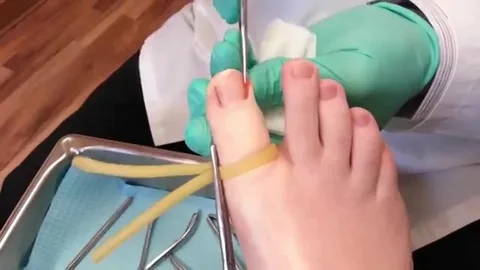
Discomfort around the nail can develop faster than people expect, especially once inflammation begins. Before recommending any ingrown toenail removal, a qualified specialist spends time understanding how the condition formed and how severe it has become. A thorough evaluation helps ensure treatment is targeted, safe, and effective for long-term relief.
Close Look at the Nail Edge and Surrounding Skin
The first step involves visually examining the area where the nail curves into the skin. A Huntsville ingrown toenail doctor looks for signs such as redness, swelling, or embedded nail edges. This inspection shows whether the nail is sharply angled, overly thick, or growing irregularly. Each clue helps determine whether conservative care or a more advanced ingrown toenail removal is needed.
A close look also reveals whether the skin is breaking down from prolonged pressure. Minor irritation may only need trimming and guidance, while deeper penetration can indicate the need for a more thorough ingrown toenail removal doctor’s intervention. Accurate evaluation leads to the most effective approach.
Gentle Pressure Test to Find the Sore Spot
Applying light pressure along the nail fold helps identify exactly where tenderness begins. This step clarifies how far inflammation extends beneath the skin. It also helps determine whether the pain is localized or radiating through the toe.
A gentle touch allows the specialist to understand how irritated the tissue has become. Those seeking ingrown toenail removal near me benefit from early identification of sensitive areas, which reduces discomfort during treatment. This step helps select methods that minimize additional irritation.
Check for Drainage or Signs of Trapped Infection
Drainage, discoloration, or foul odor can indicate infection. A Huntsville ingrown toenail doctor checks for these signs to determine how much bacteria is involved. If infection is present, antibiotics or medical cleansing may be required before or during ingrown toenail removal Huntsville AL.
Unchecked infection can spread deeper into skin layers. Finding early indicators helps protect tissue and prevent complications. This part of the exam ensures treatment supports both healing and long-term comfort.
Review of Recent Injuries or Tight Shoe Use
Understanding daily habits helps identify contributing causes. Tight shoes, repetitive pressure, or recent stubbing injuries can all change how the nail grows. Reviewing these details helps the ingrown toenail doctor determine whether the problem is structural or lifestyle-related.
A pattern of irritation often appears when footwear compresses the nail edge repeatedly. Identifying these triggers allows the specialist to recommend adjustments that prevent future issues. This step supports long-term relief beyond the immediate procedure.
Measure Swelling and Redness Around the Toe
Swelling, warmth, and redness offer clear signs of inflammation. A doctor measures these areas to gauge severity. Mild swelling may indicate early-stage irritation, while more intense redness suggests deeper involvement. Assessing the spread of inflammation helps predict how the toe will respond to ingrown toenail removal. Accurate measurement ensures the chosen solution addresses both the nail and surrounding tissue. This prevents ongoing pain after treatment.
Ask About Pain Level During Walking or Rest
Pain patterns tell the doctor how the nail interacts with soft tissue during movement. If discomfort intensifies with pressure, walking, or bending, it signals more significant intrusion by the nail edge. Pain at rest may indicate infection or nerve involvement. Understanding these details shapes the treatment plan. Those searching for ingrown toenail removal near me often appreciate personalized care that considers their mobility and daily needs. Clear communication ensures the specialist selects the most effective solution.
Inspect Nail Shape and How It Grows Inward
Nail curvature varies widely from person to person. A Huntsville ingrown toenail doctor studies the natural growth pattern to determine whether genetics, trauma, or improper trimming caused the nail to curve inward. Identifying chronic patterns allows for preventive guidance. Structural issues may require more than simple trimming. A precise assessment helps determine whether partial nail removal or reshaping will provide lasting comfort. Matching treatment to growth patterns prevents repeated ingrown nails.
Check Circulation and Skin Warmth in the Toe
Healthy blood flow supports healing. The doctor checks circulation by pressing lightly on the toe and observing color return. Skin warmth helps identify infection, while coolness may signal reduced circulation.
Circulation checks are especially important for individuals with diabetes or vascular concerns. This evaluation ensures that ingrown toenail removal is safe and that healing will progress normally. Monitoring warmth and color also helps detect deeper tissue involvement.
Look for past Trimming Habits That Caused Issues
Improper trimming, such as cutting nails too short or rounding edges, is a common cause of ingrown nails. A specialist reviews trimming habits to pinpoint whether technique contributed to the issue. Small adjustments can prevent recurring problems.
Educating patients on proper trimming supports long-term results. Those seeking an ingrown toenail removal doctor benefit from understanding how maintenance influences nail direction. Identifying habits early reduces repeat visits and future discomfort.
Feeling unsure about treatment is normal, but reassurance comes from a doctor who examines the problem carefully before making any recommendations. Each patient receives attention suited to their condition, whether they need mild support or a more thorough ingrown toenail removal Huntsville AL procedure. By offering clear explanations and attentive care, The Foot Clinic helps patients restore comfort and avoid future nail-related issues.
