



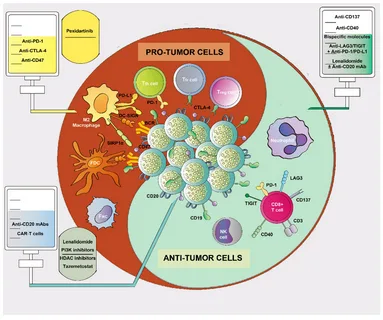
Lymphoma represents a complex group of blood cancers that originate in the lymphatic system—the network of nodes and vessels that form a vital part of the body’s immune defense. Specifically, the disease arises when lymphocytes, a type of white blood cell, undergo malignant transformation and begin to multiply uncontrollably. While many patients respond favorably to frontline chemotherapy and immunotherapy, those with aggressive or relapsed disease often require more intensive interventions. This is where STEM CELL Lymphoma therapy becomes a critical component of the treatment algorithm, offering a path toward long-term remission and potentially a cure.
The Pathophysiological Basis of Lymphoma
The lymphatic system is distributed throughout the body, including the lymph nodes, spleen, thymus, and bone marrow. Lymphomas are broadly categorized into two main types: Hodgkin Lymphoma and Non-Hodgkin Lymphoma (NHL). The latter is further divided into dozens of subtypes based on whether the malignancy affects B-cells or T-cells.
In a healthy state, lymphocytes circulate to identify and destroy pathogens. In lymphoma, these cells accumulate in lymph nodes or other organs, forming tumors and impairing the body’s ability to fight infection. When traditional systemic therapies fail to achieve a complete response, or when the disease returns after an initial period of remission, oncologists often look toward hematopoietic stem cell transplantation (HSCT) to overcome the tumor’s resistance.
Why Use Stem Cells for Lymphoma?
The use of stem cells in lymphoma treatment is not intended to treat the cancer directly; rather, it is a rescue mechanism. The primary goal is to allow the patient to receive much higher doses of chemotherapy or radiation than the body could otherwise tolerate.
Normally, the limiting factor in chemotherapy dosage is the toxicity to the bone marrow. High doses would permanently destroy the patient’s ability to produce new blood cells. By harvesting healthy stem cells before this intensive “conditioning” phase and re-infusing them afterward, clinicians can effectively “reboot” the patient’s blood-forming system. Centers of excellence such as Liv Hospital utilize this strategy to target resistant cancer cells with maximum intensity while ensuring the patient’s hematopoietic recovery.
Types of Stem Cell Transplants in Lymphoma Care
There are two primary methods of transplantation utilized in lymphoma cases, each with specific indications based on the subtype of the disease and the patient’s overall health.
Autologous Stem Cell Transplant
This is the most common type for lymphoma. The patient’s own stem cells are collected from their blood when the disease is in a responsive state. These cells are frozen and stored while the patient undergoes high-dose chemotherapy. Once the treatment has cleared the remaining lymphoma cells, the stored stem cells are thawed and returned to the patient’s bloodstream.
Allogeneic Stem Cell Transplant
In cases where the patient’s own bone marrow is involved in the cancer, or if an autologous transplant has failed, an allogeneic transplant may be considered. This involves using healthy stem cells from a donor—usually a matched sibling or an unrelated volunteer. This method carries the added benefit of the “graft-versus-lymphoma” effect, where the donor’s immune cells actively recognize and attack any residual cancer cells in the patient’s body.
From Conditioning to Engraftment
The process of receiving a stem cell transplant is a rigorous clinical journey that requires meticulous monitoring by a multidisciplinary team.
- Mobilization and Collection: Patients receive growth factor injections to move stem cells from the bone marrow into the peripheral blood. The cells are then collected through a process called apheresis.
- The Conditioning Phase: This involves several days of intensive chemotherapy, and sometimes total body irradiation. The objective is to eliminate every possible malignant cell.
- Transplant Day: Often referred to as “Day Zero,” the stem cells are infused through a central venous catheter. The procedure is similar to a blood transfusion.
- The Wait for Engraftment: For approximately two to three weeks, the patient’s blood counts will be at their lowest. During this time, the patient is highly vulnerable to infection and is typically kept in a specialized, HEPA-filtered hospital environment. Engraftment is confirmed when the patient’s white blood cell and platelet counts begin to rise consistently.
Managing Post-Transplant Recovery
The months following a transplant are a period of gradual immune reconstitution. For autologous recipients, recovery focuses on regaining strength and monitoring for relapse. For allogeneic recipients, the focus is more complex, involving the management of immunosuppressive medications to prevent Graft-Versus-Host Disease (GVHD), a condition where the donor cells attack the recipient’s healthy tissues.
Advances in supportive care, including better anti-fungal and anti-viral medications, have significantly improved the safety of these procedures. Furthermore, new “targeted” therapies are now often integrated into the post-transplant phase to further reduce the risk of the lymphoma returning.
The Holistic Perspective on Survivorship
The ultimate success of a lymphoma treatment plan is measured not just by the absence of disease, but by the patient’s return to a high quality of life. The transition from being a patient to being a survivor requires a shift in focus toward long-term health and vitality. This involves a commitment to restorative nutrition, mental health support, and physical rehabilitation to overcome the fatigue associated with intensive treatment. As the body heals and the immune system regains its strength, finding ways to live and feel vibrant and empowered becomes an essential part of the recovery process, allowing survivors to embrace a future defined by health rather than illness.
