



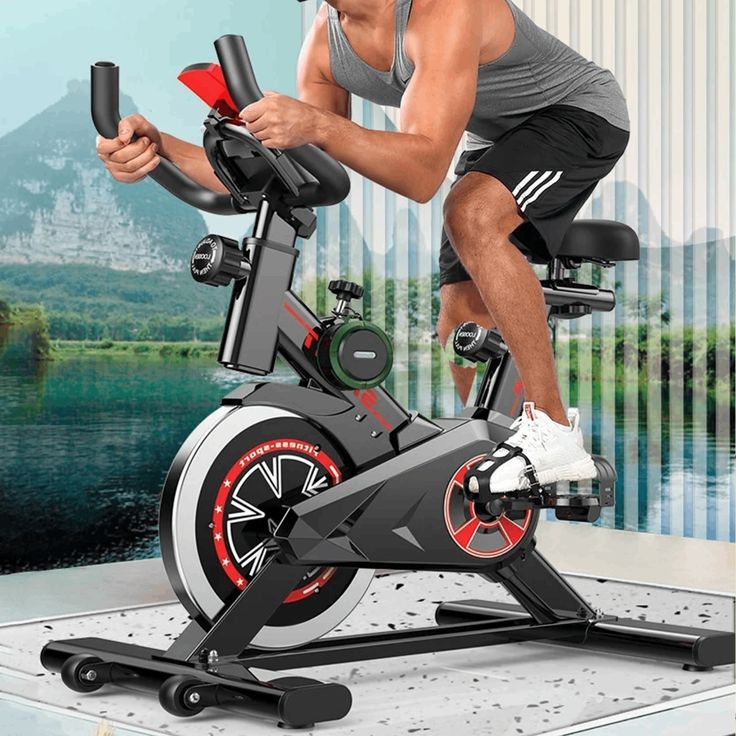
For anyone looking to intensify their strength training without drastically increasing weight, isometric holds are a powerful technique. Often overlooked, these static contractions can enhance muscle engagement, endurance, and mind-muscle connection. When combined with machine-based exercises, isometric holds offer a safe and highly effective way to push your muscles beyond standard cage de street workout repetitions.
What Are Isometric Holds?
An isometric hold occurs when a muscle contracts without changing length, meaning the joint angle remains constant. Unlike traditional lifting, where the weight moves through a range of motion, isometric exercises involve holding the muscle in a fixed position to maintain tension. This technique can be applied at various points during a machine exercise: at the peak contraction, mid-range, or even at the start of the movement.
Benefits of Isometric Holds
-
Increased Time Under Tension: Holding a position forces the muscle to work longer, promoting growth and endurance.
-
Improved Mind-Muscle Connection: Maintaining a controlled contraction helps you focus on the target muscle more effectively.
-
Joint-Friendly Intensity: Since the position is static, there’s less stress on the joints compared to dynamic overload.
-
Plateau Busting: Isometric holds can challenge muscles in ways traditional reps cannot, helping break through strength plateaus.
How to Incorporate Isometric Holds on Machines
1. Choose the Right Machine
Isometric holds work best on machines that provide stability and allow you to maintain a controlled contraction. Ideal choices include:
-
Leg Press Machine: Pause halfway through the press to intensify quadriceps, glutes, and hamstrings.
-
Chest Press or Pec Deck: Hold at peak contraction for chest and shoulder engagement.
-
Seated Row or Lat Pulldown: Pause when the elbows are fully drawn back to target the back muscles.
-
Leg Extension/Leg Curl: Hold at mid-range for full quadriceps or hamstring activation.
-
Shoulder Press or Lateral Raise: Hold at the top to fully fatigue the deltoids.
2. Determine the Hold Duration
Start with 5–10 seconds per hold for beginners, gradually increasing to 20–30 seconds as strength and endurance improve. Shorter holds are suitable for higher reps, while longer holds challenge muscular endurance and stability.
3. Positioning and Form
Maintain proper posture and alignment throughout the hold. For example:
-
On a leg press, keep your back firmly against the pad and knees aligned with toes.
-
On a chest press, avoid shrugging shoulders or locking elbows.
-
On rows or pulldowns, keep the torso stable and focus on retracting the shoulder blades.
4. Combine Isometric Holds with Reps
You can add holds at the peak of each repetition or perform a “final hold” at the end of a set. Both methods increase intensity without requiring additional weight.
Tips for Maximizing Effectiveness
-
Control Your Breathing: Avoid holding your breath. Exhale during contraction and inhale during relaxation.
-
Integrate Gradually: Begin by adding holds to 1–2 exercises per session to prevent excessive fatigue.
-
Pair With Regular Sets: Alternate dynamic reps with isometric holds to achieve comprehensive strength development.
-
Use Progressive Overload: Even with static holds, gradually increase resistance or hold duration to continue improving strength.
Benefits Beyond Muscle Growth
In addition to building strength and size, isometric holds enhance joint stability, improve posture, and increase muscular endurance. For athletes or everyday lifters, these benefits translate into improved performance in compound lifts and functional daily activities.
Conclusion
Isometric holds are a versatile and effective method to intensify machine-based exercises safely. By adding static contractions at strategic points in your workout, you can increase time under tension, improve mind-muscle connection, and challenge muscles in a new way. Incorporating isometric holds into your routine is a simple yet powerful strategy to push past plateaus, boost endurance, and maximize results from every machine in the gym.
