


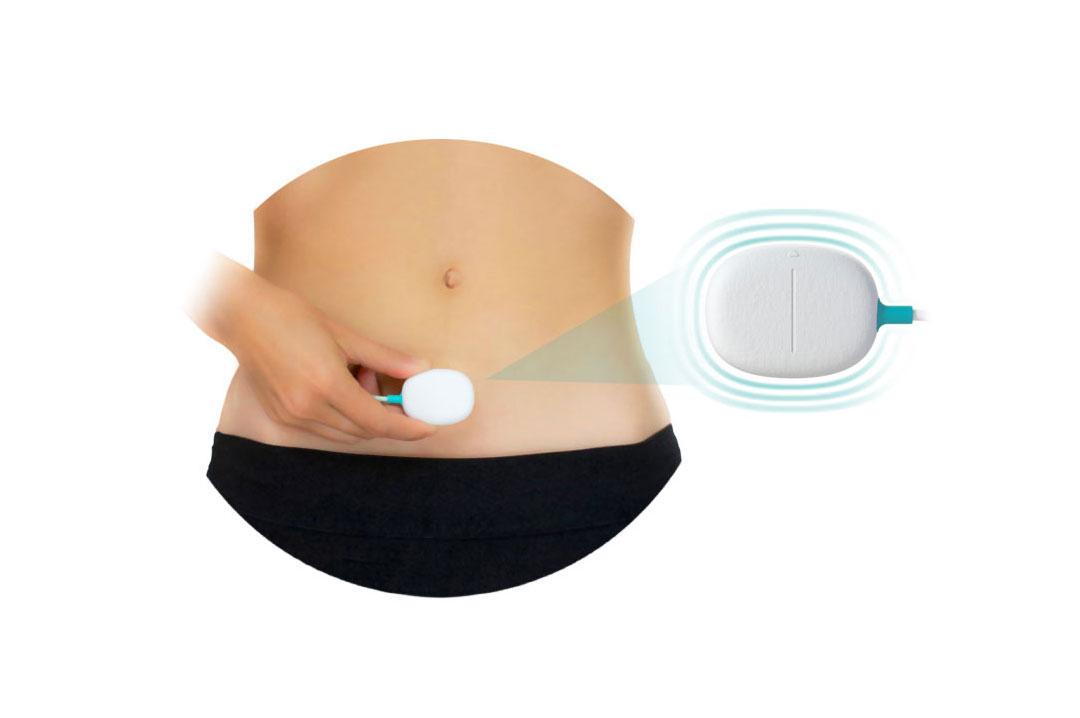
Urinary incontinence is a common medical condition that affects millions of people worldwide. It occurs when a person experiences an involuntary loss of urine, which can range from occasional leaks to complete loss of bladder control. Although urinary incontinence is more common among older adults and women after pregnancy or menopause, it can affect people of all ages and genders. Fortunately, advances in healthcare have led to the development of various medical devices for urinary incontinence that help improve bladder control, reduce leakage, and enhance overall quality of life.
These medical devices are designed to support different types of urinary incontinence, including stress, urge, overflow, and mixed incontinence. Many are non-surgical, while others are intended for long-term treatment when conservative therapies are not effective.
Understanding Urinary Incontinence
Before selecting a treatment device, it is important to identify the underlying cause of urinary incontinence. Common contributing factors include weakened pelvic floor muscles, pregnancy and childbirth, aging, obesity, neurological disorders, prostate surgery, urinary tract infections, and certain medications.
Healthcare professionals often recommend lifestyle modifications, bladder training, pelvic floor exercises, and specialized medical devices as part of a personalized treatment plan.
What Are Medical Devices for Urinary Incontinence?
Medical devices for urinary incontinence are specially designed tools that either improve bladder control, strengthen pelvic floor muscles, provide structural support, or manage urine leakage safely. These devices are prescribed or recommended depending on the type and severity of urinary incontinence and the patient’s individual needs.
Some devices are intended for temporary symptom management, while others provide long-term therapeutic benefits.
Types of Medical Devices for Urinary Incontinence
Pelvic Floor Electrical Stimulation Devices
Electrical stimulation devices deliver gentle electrical impulses to the pelvic floor muscles. These impulses encourage muscle contractions, helping strengthen weakened muscles that support the bladder and urethra.
These devices are commonly recommended for individuals with stress urinary incontinence and certain cases of urge incontinence. Regular therapy sessions may improve muscle strength and reduce leakage over time.
Biofeedback Devices
Biofeedback systems help patients identify and correctly activate their pelvic floor muscles during exercise. Sensors monitor muscle activity and provide visual or audio feedback, making pelvic floor training more effective.
These devices are particularly useful for patients who have difficulty performing pelvic floor exercises correctly.
Vaginal Support Devices
For women experiencing stress urinary incontinence, vaginal support devices can provide additional support to the bladder neck and urethra. By improving anatomical support, these devices help reduce urine leakage during activities such as coughing, laughing, running, or lifting heavy objects.
Healthcare providers usually recommend proper fitting to maximize comfort and effectiveness.
Urethral Inserts
Urethral inserts are small disposable devices placed inside the urethra before activities that commonly trigger urine leakage. They act as a temporary barrier that prevents urine from escaping during physical movement.
These devices are generally removed before normal urination and are often used by women with predictable stress incontinence.
Catheters
Catheters are medical tubes used to drain urine from the bladder when a person cannot empty it naturally. They are commonly recommended for individuals with overflow incontinence, neurological disorders, spinal cord injuries, or severe bladder dysfunction.
Catheters may be intermittent, indwelling, or external depending on the patient’s medical condition.
External Collection Devices
External urine collection systems are designed for patients who require non-invasive urine management. These devices collect urine without entering the bladder, reducing skin irritation and improving comfort for individuals with limited mobility or chronic urinary leakage.
Modern designs offer improved hygiene and convenience for both patients and caregivers.
Artificial Urinary Sphincters
An artificial urinary sphincter is a surgically implanted device that helps control urine flow by replacing the function of a weakened urinary sphincter.
This device is most commonly recommended for men who develop severe stress urinary incontinence following prostate surgery, although it may also be appropriate for selected women with complex cases.
Neuromodulation Devices
Neuromodulation devices stimulate specific nerves that regulate bladder function. These systems help normalize communication between the bladder and the nervous system, reducing symptoms such as urgency, frequency, and urge urinary incontinence.
They are generally considered when conservative treatments have not provided adequate symptom relief.
Benefits of Medical Devices for Urinary Incontinence
Many patients experience significant improvements after using appropriate medical devices. Potential benefits include:
- Reduced urine leakage
- Improved bladder control
- Increased confidence in daily activities
- Better sleep quality
- Enhanced quality of life
- Reduced dependence on absorbent products
- Non-surgical treatment options for many patients
The effectiveness of each device depends on proper diagnosis, consistent use, and ongoing medical supervision.
Choosing the Right Device
Selecting the most appropriate medical devices for urinary incontinence depends on several factors, including:
- Type of urinary incontinence
- Severity of symptoms
- Age and overall health
- Lifestyle and activity level
- Presence of pelvic organ prolapse
- Previous treatments
- Personal comfort and preferences
A healthcare provider may perform bladder function tests and pelvic examinations before recommending the most suitable option.
Safety Considerations
Although many urinary incontinence devices are considered safe, they should always be used according to professional guidance. Proper cleaning, maintenance, and regular follow-up appointments help reduce the risk of infection, discomfort, or device-related complications.
Patients should immediately report persistent pain, bleeding, urinary tract infections, or worsening symptoms to their healthcare provider.
Lifestyle Changes That Improve Results
Medical devices often work best when combined with healthy lifestyle habits, including:
- Performing pelvic floor muscle exercises regularly
- Maintaining a healthy body weight
- Limiting caffeine and alcohol intake
- Staying adequately hydrated
- Managing chronic constipation
- Following scheduled bladder training programs
- Avoiding smoking
Combining these strategies with appropriate medical devices often provides the greatest improvement in urinary control.
Future Developments in Urinary Incontinence Devices
Medical technology continues to evolve rapidly. Researchers are developing smarter wearable devices, improved biofeedback systems, wireless pelvic floor trainers, advanced neuromodulation technologies, and more comfortable support devices that aim to provide personalized treatment with better long-term outcomes.
These innovations may offer greater convenience, improved patient comfort, and enhanced effectiveness in managing urinary incontinence.
Conclusion
Urinary incontinence is a manageable condition, and modern medical devices for urinary incontinence offer effective solutions for many individuals. From pelvic floor stimulation systems and biofeedback devices to vaginal supports, urethral inserts, catheters, and advanced implanted technologies, there are numerous options available to suit different medical needs.
When combined with proper diagnosis, professional guidance, and healthy lifestyle habits, these devices can significantly improve bladder control, restore confidence, and enhance overall quality of life. Working closely with a qualified healthcare provider ensures that each patient receives the safest and most effective treatment approach for their specific condition.