



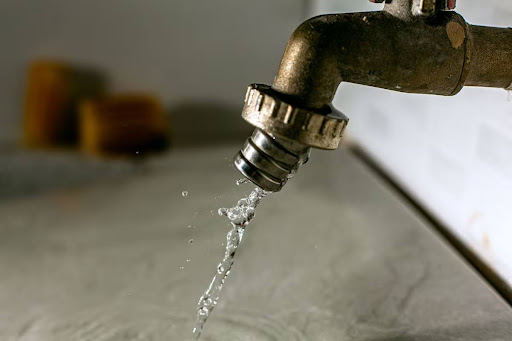
Low or inconsistent water pressure can be incredibly frustrating, especially when it turns your relaxing shower into a slow trickle or makes washing dishes a chore. Persistent water pressure issues often signal deeper problems within your plumbing system that require timely attention. Whether the issue lies in clogged pipes, leaks, or faulty fixtures, addressing it early can save you from costly repairs later.
Here are five tips to help you deal with water pressure problems effectively.
1. Call a Professional Plumber for Accurate Diagnosis
When water pressure issues persist despite your basic troubleshooting, it’s time to call a plumbing professional. A professional plumber has the right tools and experience to pinpoint the root cause, whether it’s a hidden leak, mineral buildup, or pressure regulator failure. They can assess whether the issue is isolated to one fixture or affects the entire house.
Attempting DIY fixes without proper knowledge may worsen the problem, so hiring a plumber ensures a safe and lasting solution. Their expertise guarantees that your plumbing system operates at optimal performance.
2. Schedule Regular Plumbing Services
Routine plumbing services are key to preventing water pressure problems before they start. Scheduling professional maintenance at least once a year helps identify issues like corrosion, sediment accumulation, or outdated piping systems early on. Reliable plumbing services also include cleaning, inspecting joints, and checking for hidden leaks that might cause inconsistent pressure.
Regular maintenance not only keeps your water pressure stable but also extends the life of your entire plumbing system. Think of it as a health check-up for your home’s water flow.
3. Check for Clogged Faucets and Showerheads
One of the most common causes of low water pressure is a clogged faucet aerator or showerhead. Over time, mineral deposits and debris can build up, restricting water flow. Remove the aerator or showerhead and soak it in vinegar for a few hours to dissolve the buildup.
Rinse thoroughly before reinstalling. If cleaning doesn’t help, consider replacing the fixture altogether to restore smooth water flow.
4. Inspect the Pressure Regulator
If your home’s pressure regulator malfunctions, it can cause both low and high water pressure. A faulty regulator often requires professional inspection or replacement. Signs of a bad regulator include sudden drops in water flow or noisy pipes.
Don’t ignore these warning signs—getting a professional to handle regulator issues can prevent damage to your plumbing fixtures and appliances.
5. Look for Hidden Leaks in Your System
Even small leaks can cause noticeable drops in water pressure. Check visible pipes, walls, and floors for damp spots, mold growth, or water stains. If you can’t locate the source, a professional leak detection service can help.
Fixing leaks promptly not only restores proper water pressure but also prevents costly water damage.
Conclusion
Persistent water pressure issues can disrupt your daily comfort and signal underlying plumbing problems. By hiring a plumber for expert diagnosis, scheduling regular plumbing services, and taking preventive measures like cleaning fixtures and inspecting for leaks, you can maintain steady water pressure throughout your home. A well-maintained plumbing system ensures consistent water flow and long-term peace of mind.
